
Rotator Cuff Tendinopathy Treatment in Salt Lake City & South Jordan
You Don’t Need More Rest. You Need the Right Plan.
Shoulder pain when you reach overhead, sleep on your side or lift your kids? We pinpoint the irritated rotator cuff tendon with ultrasound and build a non-surgical plan to restore strength and pain-free motion.
- Non-surgical first
- Ultrasound-guided precision
- Physician-led care

- Diagnosis first Musculoskeletal ultrasound pinpoints the tissue behind your pain.
- Evidence-based Loading, shockwave, biologics and tenotomy, matched to your tendon.
- Physician-led Care directed by sports medicine physician Robert Engelen, DO.
- South Jordan clinic Serving Salt Lake City and the entire Salt Lake Valley.
01 · Overview
What is rotator cuff tendinopathy?
Utah Tendon Institute · Care led by Robert Engelen, DO
Updated November 2026
Your rotator cuff is a group of four muscles and tendons that wrap around the ball of your shoulder, keeping it centered in the socket while you lift, reach and throw. Rotator cuff tendinopathy, often called rotator cuff tendinitis or shoulder impingement, happens when those tendons, most often the supraspinatus on top of the shoulder, become painful and less able to handle load. The bursa, a small cushioning sac between the tendons and the bony roof of the shoulder, is often irritated too, as the American Academy of Orthopaedic Surgeons explains.
It’s one of the most common causes of shoulder pain in adults. We see it in swimmers, climbers, pickleball and tennis players, skiers and gym athletes, and in painters, electricians and anyone who works with their arms overhead. It also becomes more common after 40, as tendon tissue changes with age.
Tendinopathy vs. a rotator cuff tear
Tendinopathy and tears sit on a spectrum. Many painful shoulders show tendon thickening or a partial-thickness tear on imaging, and many people over 50 have tears that don’t hurt at all. That’s why we treat how your shoulder works, not just the picture, and why a precise ultrasound exam matters before anyone mentions surgery.
Some people develop calcium deposits inside the tendon, called calcific tendinopathy, which can be intensely painful and is one of the best-studied uses for focused shockwave therapy. Shoulder weakness also shifts stress down the arm, a pattern we often see alongside tennis elbow.
02 · Symptoms
Rotator cuff tendinopathy symptoms
Rotator cuff pain usually builds gradually. It often starts with overhead activity, then begins to show up at rest and at night.
- 01
Pain on the front or side of the shoulder
An ache that often spreads down the outside of the upper arm toward the elbow.
- 02
Pain lifting your arm
Reaching overhead, into a cupboard or behind you, and often pain as you lower the arm back down.
- 03
Night pain
Pain that’s worse at night, especially lying on the affected side, and can wreck your sleep.
- 04
Weakness or early fatigue
The arm tires quickly with overhead work, throwing, swimming or carrying.
- 05
Trouble with daily tasks
Getting dressed, reaching a seat belt or washing your hair becomes painful.
- 06
A painful arc
A painful zone partway through raising the arm that eases once you get past it.
When shoulder pain is something else
Neck problems, frozen shoulder, arthritis, biceps tendon issues and full-thickness rotator cuff tears can all cause similar pain. Our exam and ultrasound evaluation sort these out, and if you need a surgical opinion, we’ll tell you.
03 · Causes & risk factors
What causes rotator cuff tendinopathy?
The rotator cuff works constantly to stabilize the shoulder. When overhead or repetitive demands rise faster than the tendons can adapt, or when strength and shoulder-blade control drop off, the tendon is overloaded and becomes painful. Age-related tendon changes, posture and how your shoulder blade moves all play a role.
Classic triggers include a new swim or overhead training block, a weekend painting a ceiling, a return to pickleball after time off, or a job that keeps your hands above shoulder height. Sometimes there’s no clear trigger at all.
Common risk factors
- Overhead sports such as swimming, tennis, pickleball, volleyball and baseball
- Overhead or repetitive work in painting, construction, electrical and warehouse jobs
- Sudden jumps in gym training, especially pressing, pull-ups and kipping movements
- Weak or poorly controlled shoulder-blade muscles
- Age-related tendon changes, more common after 40
- A previous shoulder injury or earlier episodes of shoulder pain
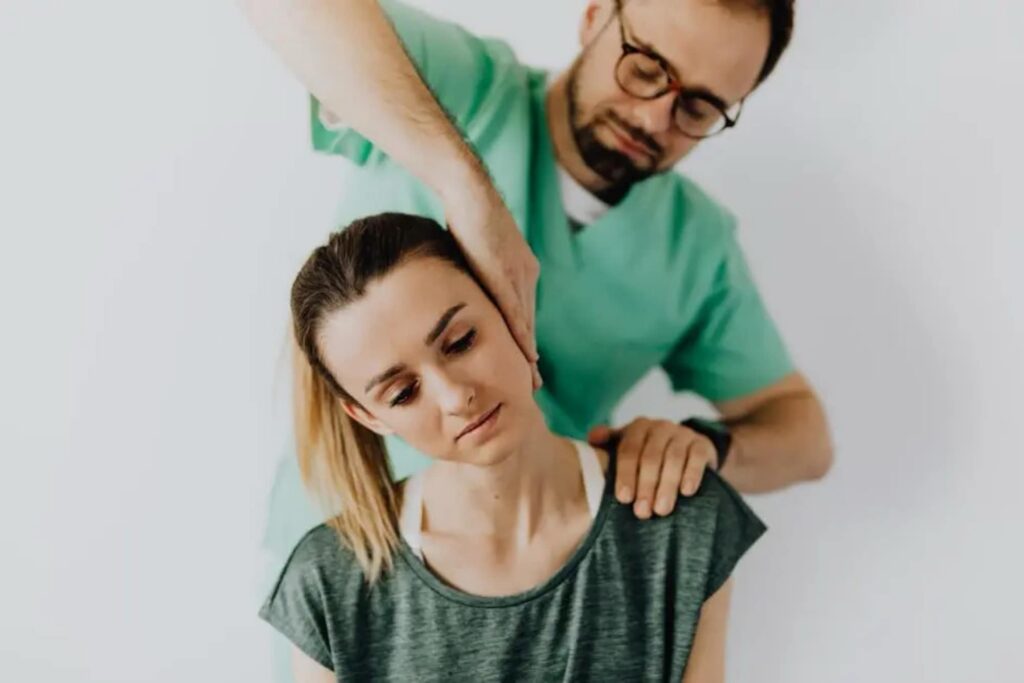
Who we see for rotator cuff tendinopathy
- Swimmers
- Pickleball & tennis players
- Climbers
- CrossFit & gym athletes
- Skiers
- Volleyball players
- Painters & electricians
- Construction workers
- Parents lifting kids
- Desk workers
Many people put up with shoulder pain for months because it “comes and goes.” Night pain is often the signal that it’s time for a proper evaluation.
04 · Why it lingers
Why shoulder pain often lingers
Avoiding painful movements and getting a cortisone shot can quiet symptoms, but the tendon and the muscles around it lose capacity in the process. Here’s how our approach is different.
| Topic | The usual cycle | Utah Tendon Institute plan |
|---|---|---|
| Diagnosis | “Impingement” label; imaging only after months of failed care | Ultrasound of the tendons, bursa and calcium at your first visit |
| Pain relief | Repeated cortisone shots and long stretches of rest | Targeted pain relief that keeps you moving and loading |
| The tendon itself | Generic band exercises with little progression | Progressive, measured rotator cuff and shoulder-blade strength |
| Root cause | Shoulder-blade control and training load overlooked | Movement analysis of the shoulder blade, upper back and training |
| Stubborn cases | Surgery offered as the next step | Shockwave, ultrasound-guided procedures or biologics considered first |
Cortisone can ease rotator cuff pain for a few weeks, but a 708-patient trial found subacromial injections gave no long-term benefit. We use them sparingly, if at all.
Hopewell et al., The Lancet 2021 · View studyFor calcific rotator cuff tendinopathy, high-energy shockwave improved shoulder function and pain and shrank calcium deposits compared with sham treatment.
Gerdesmeyer et al., JAMA 2003 · View studyDr. Engelen explains why he moved away from steroid injections in this Tendon Journal article.
05 · Our approach
Our 4-step plan for rotator cuff tendinopathy
Our clinical algorithm, applied to the most mobile, and most complicated, joint in your body.
- 1
Accurate diagnosis
Hands-on testing plus ultrasound of the rotator cuff tendons and bursa, including imaging as you move, and a neck screen to rule out nerve pain.
Visit one - 2
Load & movement analysis
We assess shoulder-blade control, upper-back mobility, rotator cuff strength and the overhead demands of your sport or job.
Find the why - 3
Targeted treatment plan
A progressive strengthening plan that starts where your shoulder is today, with clear rules on what to keep doing and what to modify.
Staged & specific - 4
Regenerative + rehab integration
For calcific deposits or stubborn tendons, shockwave, ultrasound-guided procedures or biologics are layered onto your rehab.
Prevent recurrence
06 · Treatment options
Rotator cuff tendinopathy treatment options
Exercise-based care is the foundation for rotator cuff tendinopathy. Advanced treatments are reserved for shoulders that need more, and chosen based on what imaging shows.
 Foundation
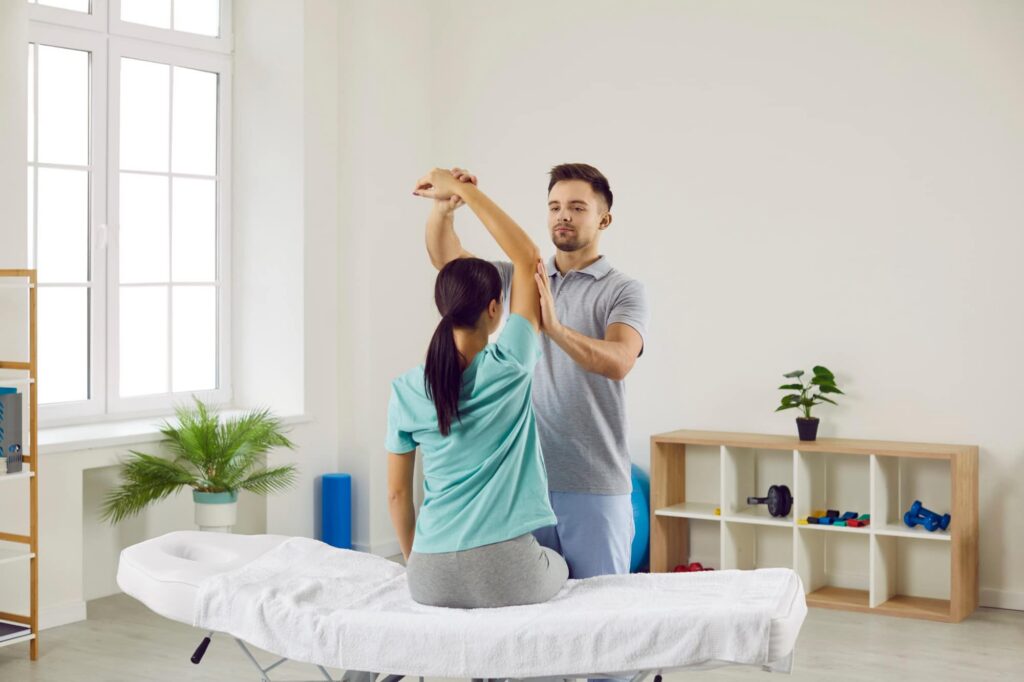
Progressive Tendon Loading Rehab
Progressive rotator cuff and shoulder-blade strengthening, isometrics for pain relief and a graded return to overhead activity. In a large trial, a focused advice-and-home-exercise session did as well as a longer program, so we prioritize the right exercises, done consistently.
Best for: Every shoulder, as the foundation of care
 Non-invasive
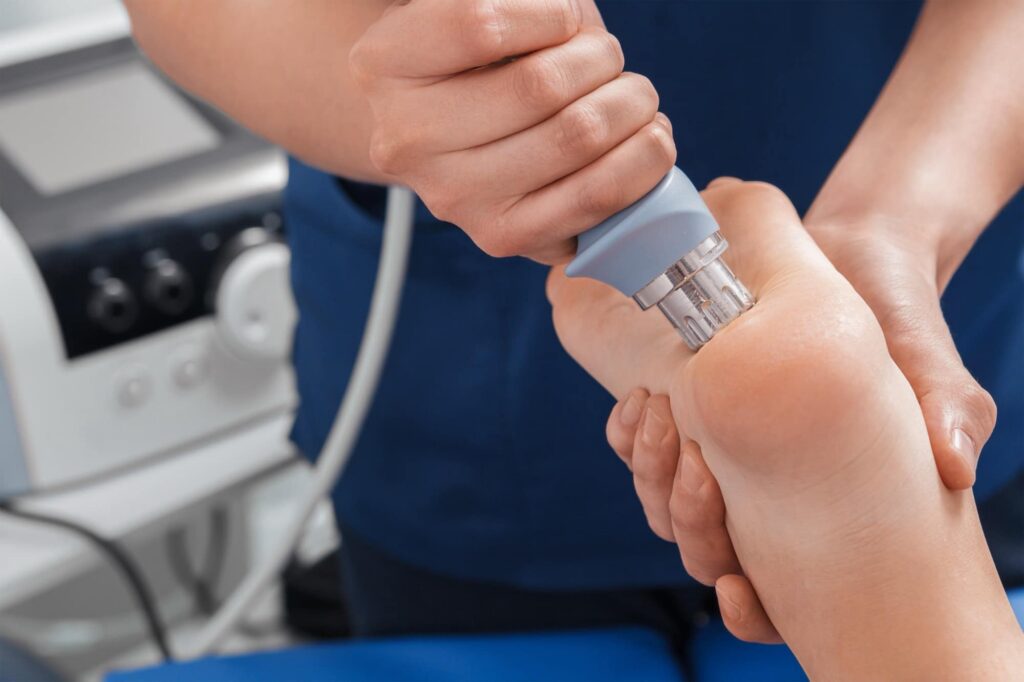
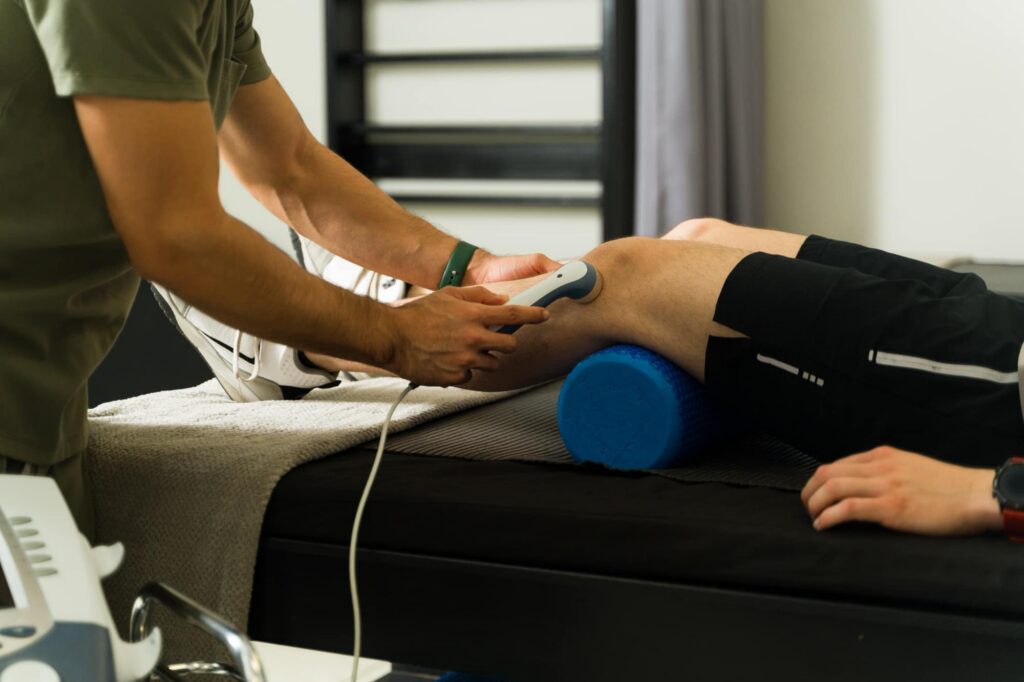
Focused Shockwave Therapy (Wolf Piezowave)
Focused shockwave has some of its strongest research support in calcific rotator cuff tendinopathy, where it can ease pain and help break down calcium deposits. It can also help non-calcific tendons that are slow to respond.
Best for: Calcific tendinopathy and stubborn tendon pain
 Minimally invasive
Percutaneous Needle Tenotomy (Tenex, TendoNova)
When degenerated tendon tissue or calcium deposits persist, ultrasound-guided percutaneous techniques can treat the problem area through a tiny puncture under local anesthetic.
Best for: Persistent pain with clear findings on ultrasound
 Regenerative
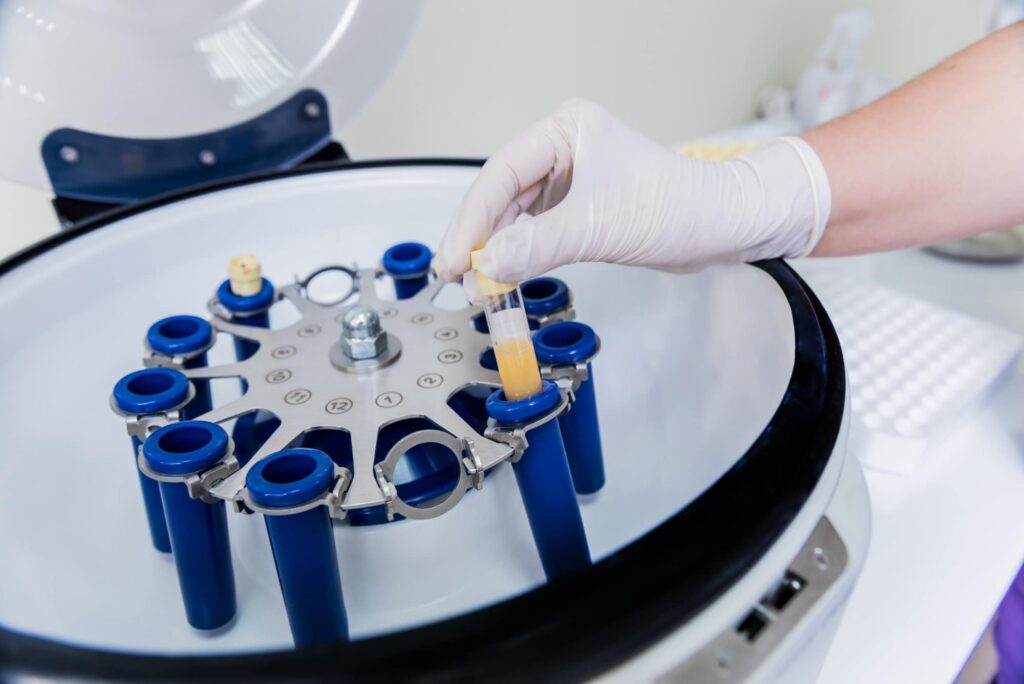
Biologics: PRP, BMAC & MFAT
PRP and other orthobiologics can be placed precisely into a damaged tendon or partial tear under ultrasound guidance. Evidence in the shoulder is still evolving, so we recommend them selectively.
Best for: Partial-thickness tears or tendons not improving with rehab
 Precision
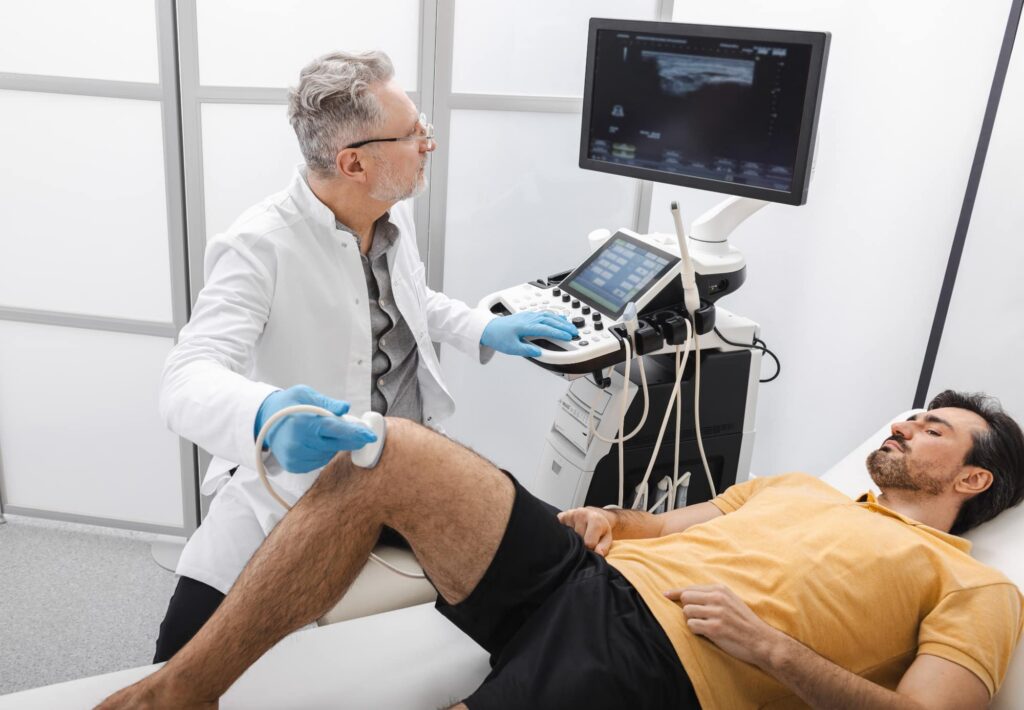
Ultrasound-Guided Diagnosis & Procedures
Dynamic ultrasound shows the tendons and bursa as your arm moves, detects calcium deposits and partial tears, and guides every injection precisely.
Best for: Every patient, from diagnosis through follow-up
 Adjunct
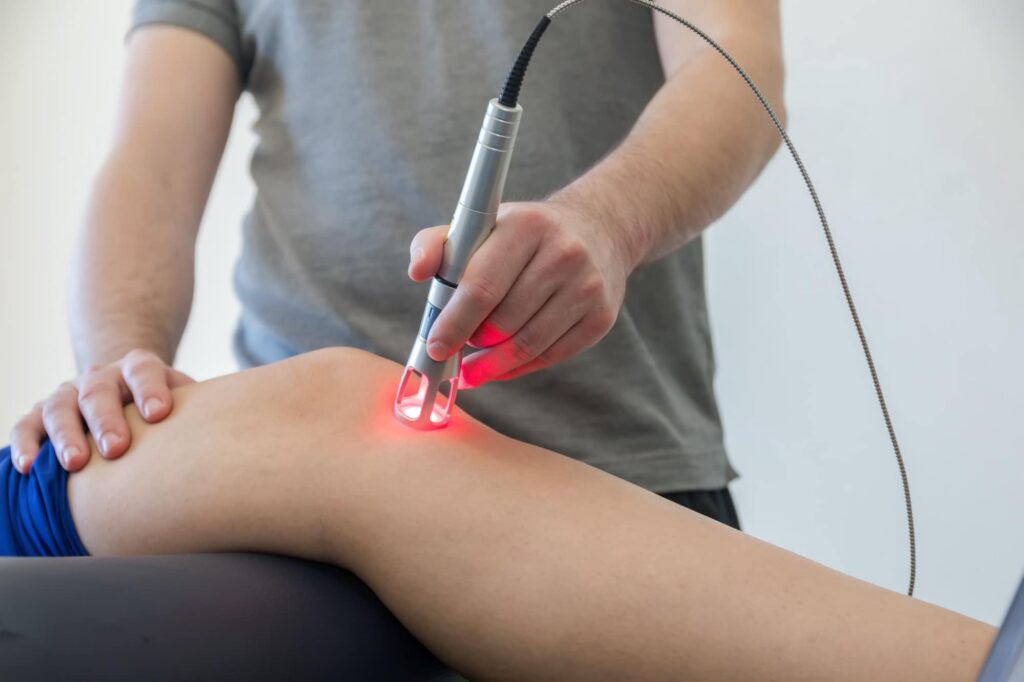
MLS Laser Therapy
MLS laser therapy may help calm pain and support circulation so you can keep progressing with your shoulder program.
Best for: Irritable shoulders and night pain during rehab
Been told you need shoulder surgery? A second opinion focused on non-surgical options can help you decide with confidence.
Find my best option07 · Recovery
Your rotator cuff recovery roadmap
Shoulders respond well to consistent, progressive loading. Expect steady gains over weeks to months, with a few ups and downs along the way.
- Phase 1
Calm & move
Weeks 0–2Reduce aggravating overhead loads, use isometrics for pain relief and keep the shoulder moving comfortably.
- Phase 2
Rebuild strength
Weeks 2–6Progressive rotator cuff and shoulder-blade strengthening, working toward shoulder height and above.
- Phase 3
Overhead capacity
Weeks 6–12Heavier and faster overhead loading plus sport- or job-specific drills. Advanced options are added if progress stalls.
- Phase 4
Return & resilience
3 months +Full return to overhead sport and work, with a maintenance program to keep the cuff strong.
Timelines are typical ranges, not guarantees. Calcific deposits, partial tears and long-standing symptoms can change the pace.
What you can do right now
- Keep the shoulder moving within a comfortable range rather than resting it completely
- Limit repetitive overhead reaching and lifting while pain is high
- Sleep on the other side, with a pillow supporting the painful arm
- Try gentle, pain-free isometric holds, pressing into a wall
- Keep heavy loads close to your body
- Ask about the long-term evidence before another cortisone shot
Get checked promptly if you notice
- Sudden weakness or inability to lift your arm after a fall or injury
- Shoulder or arm pain with chest pressure, shortness of breath or sweating (call 911)
- Numbness, tingling or weakness running down the arm
- Fever, redness or a hot, swollen joint
- Rapidly worsening stiffness that limits all movement
08 · Your physician
Expert tendon care in South Jordan
Meet the physician
Robert Engelen, DO
Physical Medicine & Rehabilitation · Sports Medicine
Dr. Engelen leads every treatment plan at Utah Tendon Institute. After nearly a decade as a non-operative sports medicine physician, he focuses on finding why a tendon keeps failing and fixing that cause, with imaging, targeted procedures and structured rehab.
- Residency in Physical Medicine & Rehabilitation, University of Utah
- Doctor of Osteopathic Medicine, Kansas City University
- Former U.S. Navy medical officer, 1st Battalion, 6th Marines
- Team physician experience with the Utah Royals and Real Salt Lake
Serving the Salt Lake Valley
Utah Tendon Institute913 Baxter Dr., Suite 100
South Jordan, UT 84095385-419-0692
Patients visit us for rotator cuff tendinopathy care from:
- South Jordan
- Salt Lake City
- Sandy
- Draper
- Riverton
- Herriman
- West Jordan
- Murray
- Midvale
09 · FAQs
Rotator Cuff Tendinopathy FAQs
Straight answers to the questions we hear most. Still unsure? Ask us directly.
Is rotator cuff tendinopathy the same as a rotator cuff tear?
Not exactly. Tendinopathy describes a painful tendon that has lost some ability to handle load; a tear is a defect in the tendon. They often overlap: many painful shoulders have tendon changes, and many people have tears that don’t hurt. Ultrasound shows which applies to you and what it means for treatment.
Why does my shoulder hurt more at night?
Night pain is one of the most common signs of rotator cuff tendinopathy. Lying on the shoulder compresses the irritated tendon and bursa, and inactivity can leave the shoulder feeling stiff. Sleeping on the other side with a pillow supporting the painful arm often helps while you treat the cause.
Do I need surgery for rotator cuff tendinopathy?
Most people don’t. Rotator cuff tendinopathy usually improves with a structured, progressive rehab plan, and advanced non-surgical options are available for stubborn cases. Surgery is generally considered for significant tears, traumatic injuries or shoulders that haven’t improved with good non-surgical care.
Do cortisone shots help rotator cuff pain?
They can ease pain for a few weeks, but the GRASP trial of 708 patients found that subacromial cortisone injections provided no long-term benefit. We use them sparingly and focus on treatments that improve the tendon itself.
What is calcific tendinopathy, and can shockwave help?
Calcific tendinopathy is when calcium deposits form inside a rotator cuff tendon, often causing intense pain. In a randomized trial in JAMA, high-energy shockwave improved function and pain and reduced the size of the deposits compared with sham treatment. It’s one of shockwave’s best-supported uses.
How long does rotator cuff tendinopathy take to heal?
Plan on several weeks to a few months of consistent work. Long-standing or calcific cases can take longer. Your ultrasound findings and how your shoulder responds in the first few weeks help us set a realistic timeline.
Do you treat shoulder pain near Salt Lake City?
Yes. Utah Tendon Institute is at 913 Baxter Dr., Suite 100 in South Jordan, serving Salt Lake City, Sandy, Draper, Riverton, Herriman, West Jordan, Murray and Midvale. Call 385-419-0692 or request an evaluation online.
10 · Get started
Schedule a shoulder evaluation
If shoulder pain is waking you up or keeping you from reaching, lifting or playing, let’s find out exactly what’s going on and build a plan to fix it.
- 1A real diagnosis History, hands-on exam and musculoskeletal ultrasound of the painful tendon.
- 2The why behind the pain We look at load, strength and movement patterns that keep irritating the tissue.
- 3A clear, staged plan You leave knowing your options, your timeline and what to do next.
Prefer to talk? 385-419-0692
Request your evaluation
Tell us where it hurts and how we can reach you. Our team will follow up to schedule.
Your information stays private and is only used to contact you.
More conditions
Other tendon conditions we treat
Tendon pain rarely lives in just one place. Explore the other conditions our South Jordan team evaluates and treats every week.
 Tennis Elbow
- Golfer’s Elbow
 Achilles Tendinopathy
 Plantar Fasciitis
 Patellar Tendinopathy
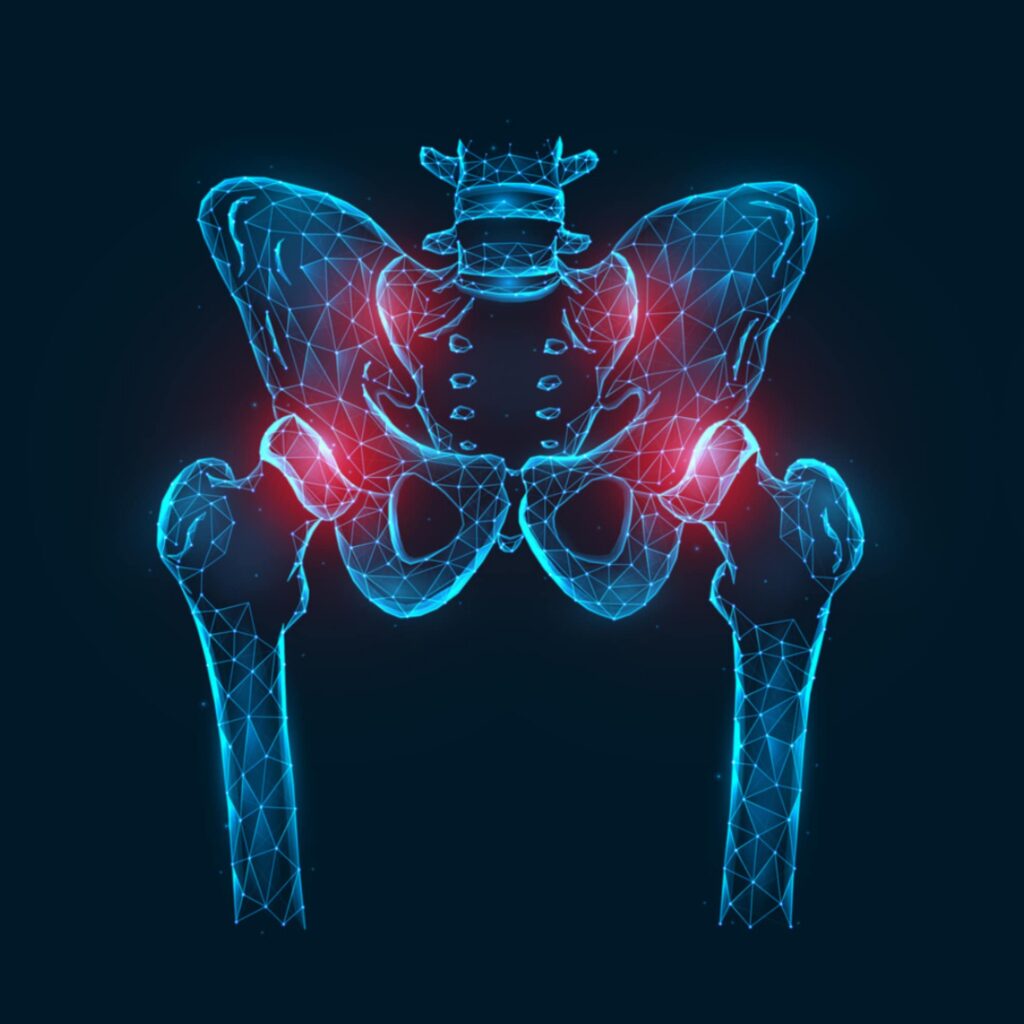 Hamstring Tendinopathy
- Gluteal Tendinopathy
- Not sure what’s causing your pain?Get a precise diagnosis
Sources & further reading
- American Academy of Orthopaedic Surgeons (OrthoInfo). Shoulder Impingement/Rotator Cuff Tendinitis.
- Cleveland Clinic. Shoulder Impingement and Rotator Cuff Tendinitis.
- Hopewell S, et al. Progressive exercise compared with best practice advice, with or without corticosteroid injection, for rotator cuff disorders (GRASP). Lancet. 2021.
- Gerdesmeyer L, et al. Extracorporeal shock wave therapy for the treatment of chronic calcifying tendonitis of the rotator cuff. JAMA. 2003.
- Lewis J. Rotator cuff related shoulder pain: assessment, management and uncertainties. Man Ther. 2016.
- Lewis JS. Rotator cuff tendinopathy: a model for the continuum of pathology and related management. Br J Sports Med. 2010.
- Scott A, et al. ICON 2019: International Scientific Tendinopathy Symposium Consensus: Clinical Terminology. Br J Sports Med. 2020.
This page is for general education and is not a substitute for medical advice. Every tendon problem is different; your diagnosis and treatment plan should come from a qualified clinician who has examined you. Results vary, and no treatment is guaranteed to work for every patient.